How Car Key Replacement Works Across Different Vehicle Brands
Not all replacement keys are created equal, and the brand of your vehicle determines almost everything about the complexity of the job. General Motors vehicles — Chevrolet, GMC, Buick, Cadillac — have used PassLock and VATS systems for decades before shifting to the newer PassKey transponder architecture. Our technicians are fluent in all generations of GM security, meaning we can cut a new key by code and program it to your vehicle's ECU without a dealer scan tool handoff. Ford and Lincoln models often rely on PATS (Passive Anti-Theft System) transponders that require a specific sequence of ignition cycles during programming; skip a step and the immobilizer locks you out permanently. We carry the OBD-II interface equipment to handle that sequence correctly every time.
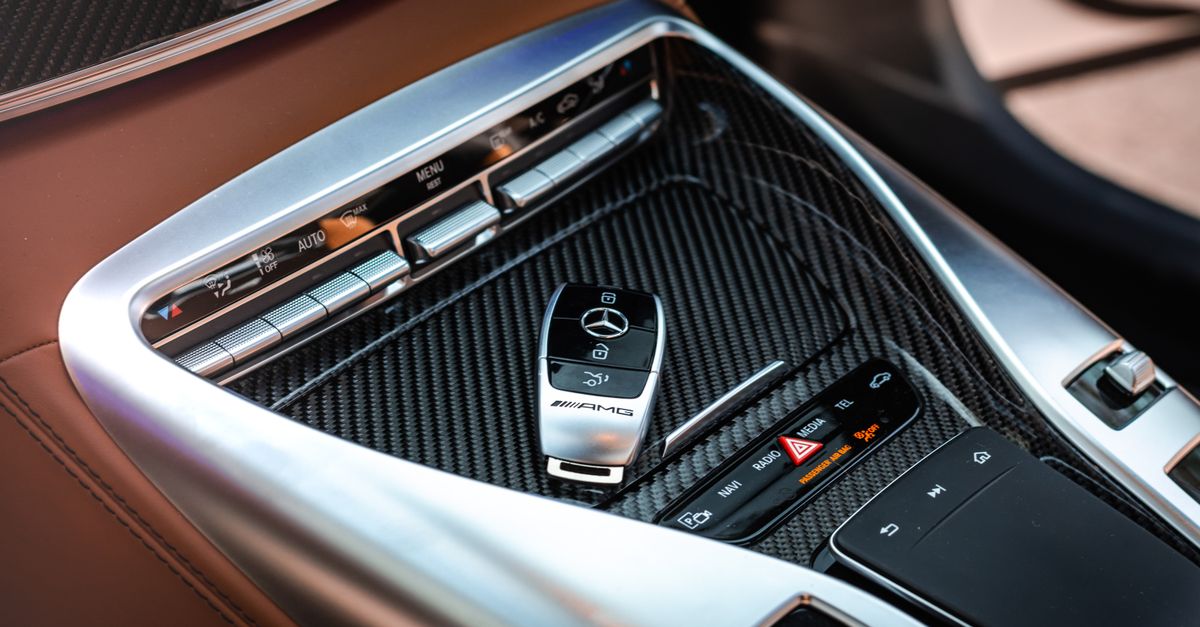
Chrysler, Dodge, Jeep, and Ram vehicles present their own challenge: the Sentry Key Immobilizer System (SKIS) requires the new key to be married to both the transponder module and the vehicle identification number stored in the PCM. Japanese brands — Toyota, Honda, Nissan, Subaru — each have proprietary transponder frequencies and, in more recent model years, proximity smart keys that communicate on encrypted channels. European brands like BMW, Mercedes-Benz, Audi, and Volkswagen layer additional complexity through their CAN-bus architecture, which means programming often requires reading the vehicle's existing key data before a new one can be introduced. In every case, our mobile unit carries brand-specific cutting jigs and software dongles so we can produce a fully functional key — cut, programmed, and tested — before we leave your side.