Manhattan Key Locksmiths Service Team
Local locksmith team
Jul 31, 2026 10 min read
It happens to the best of us — you're standing outside your apartment on West 72nd Street, bags in hand, and the door just will not budge. Maybe the key snapped, maybe the mortise lock finally gave out, or maybe you simply left your keys on the kitchen counter. Whatever the reason, being locked out of your house in Manhattan is stressful, but it does not have to spiral into a full emergency if you know what to do in the first few minutes.
This guide walks you through a calm, practical response to a lockout — the checks you should run before calling anyone, the safety steps that matter in a busy city, and exactly when to bring in a trained emergency locksmith. Think of it as your New York survival plan for one of those days nobody plans for.
## Step One: Stay Calm and Run Through These Checks First
The moment you realize you are locked out of your house, resist the urge to panic or start rattling the door handle. Take a slow breath and work through a quick mental checklist. First, check every pocket, bag, and jacket — keys have a way of hiding in coat linings and gym-bag side pockets. Next, think about whether anyone else has a copy: a partner, a building super, a family member a few subway stops away, or a trusted neighbor on your floor. In a pre-war building with a full-time super, that call can solve the problem in under ten minutes. If you are in a doorman building, head straight to the lobby desk — the concierge team handles this situation regularly.
Once you have ruled out the spare-key route, do a quick walk of accessible entry points you actually own or rent — a back door, a shared hallway entrance you have a fob for, or a parking-level access door. Do not attempt to force a window, remove a door hinge, or try to manipulate a lock mechanism yourself. Beyond the obvious risk of damaging a mortise lock or door knob lock assembly, forced entry on your own property can draw police attention and cause expensive hardware damage that a professional would never create. Safe and legitimate checks only — leave anything more technical to a qualified locksmith.
## Is It Safe to Wait Outside? Making Smart Decisions in the City
New York does not slow down because you are having a rough moment, and standing alone outside your building after dark on a quiet block in Inwood or a side street off Ninth Avenue in Midtown carries real safety considerations. If it is late, cold, or you feel uneasy, move to a well-lit, populated spot nearby — a 24-hour diner, a bodega, the lobby of a nearby hotel, or even a subway station entrance. Tell someone where you are. Keeping your phone charged and accessible is especially important at this stage, so resist the urge to use it for anything except the calls that matter.
If you genuinely feel unsafe at any point — not just inconvenienced but actually threatened — call 911 first. A common question we hear is 'can police help if locked out of house?' The honest answer is: sometimes, but rarely in the way people hope. NYPD officers are not locksmiths and they cannot open a standard mortise lock or a high-security door knob lock without forcing the door. In a true safety emergency they will act, but for a straightforward lockout they will typically advise you to call a professional. That is the right call anyway — a trained locksmith protects your door hardware rather than damaging it.
## When to Call an Emergency Locksmith Manhattan Residents Can Rely On
Once you have confirmed there is no spare key, no super available, and no safe alternative entry point, it is time to call a professional. This is where Manhattan Key Locksmiths comes in. Our mobile team is on call around the clock — whether you are locked out of a pre-war apartment with a century-old mortise lock in the West Village, a modern condo with a smart door knob lock on the Upper East Side, or a brownstone in Harlem with multiple deadbolts. We carry the tools and experience to handle virtually every residential lock type New York buildings throw at us, and we come to you. When you call (646) 658-0515, we will ask a few quick questions: your location, the type of lock or door if you know it, and whether there is anything unusual about the entry (a building vestibule, a gate, a freight elevator lobby). This helps us dispatch the right technician with the right equipment. We will also confirm an exact price before any work begins — the final quote depends on factors like the lock type, the time of day, travel distance, and any parts that may be needed. There are no surprises on the invoice.
You might also wonder: can a locksmith let me into my house legally? Absolutely — that is one of the core functions of a residential locksmith. A professional will ask for proof that you live there (a piece of mail, a lease, a photo ID with the address), which is standard practice and a good sign you are dealing with a legitimate operation. If any locksmith shows up and skips that verification step entirely, treat it as a red flag. Our team always confirms ownership before beginning work, because protecting you means protecting the security of your home.
## Mortise Locks, Door Knob Locks, and What Your NYC Door Actually Has
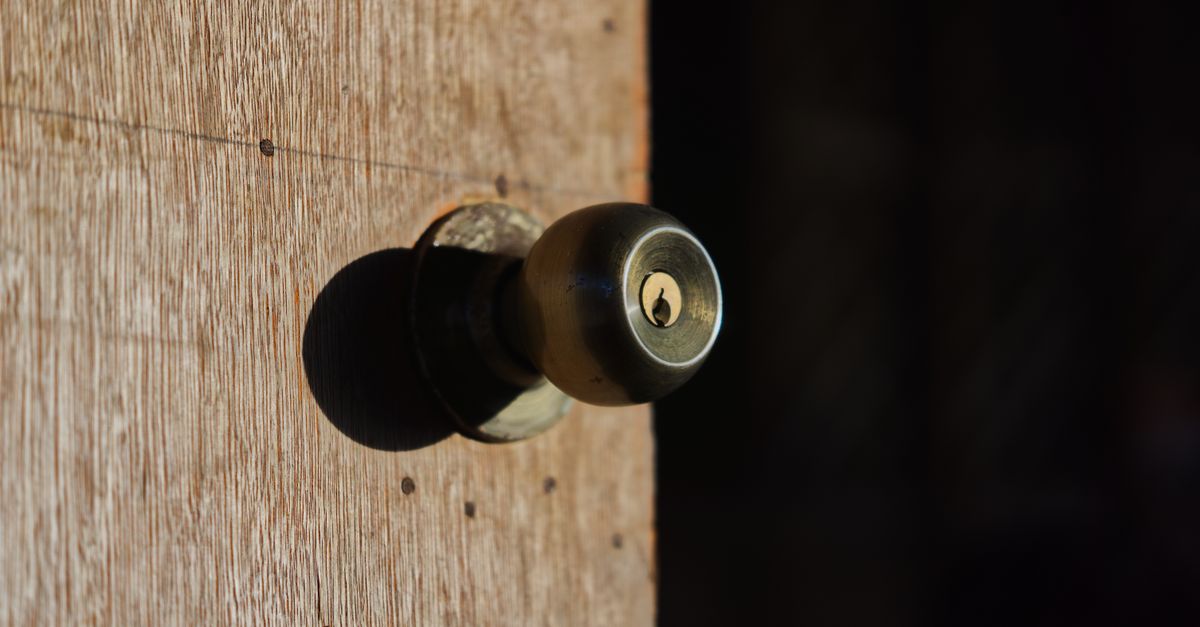
Understanding your lock type is genuinely useful — not just trivia. The vast majority of older New York City apartment buildings use mortise locks, which are the large, rectangular-body locks set deep into the edge of the door. They are durable, time-tested, and common in pre-war buildings across the Upper West Side, Brooklyn Heights, and Washington Heights. Mortise lock mechanisms are more complex than a standard cylindrical lock, so opening or servicing one requires a technician who specifically knows that hardware inside out. A locksmith mortise lock job done correctly leaves your door functioning better than when you arrived home — no scratches, no bent frames, no forced cuts. Newer constructions and renovated apartments more often feature cylindrical door knob locks or lever-handle deadbolts from manufacturers like Schlage or Kwikset, sometimes paired with a digital keypad or smart-lock overlay. Our technicians work across all of these formats daily. Knowing which you have helps us bring the right tools on the first visit, which means faster resolution and no unnecessary hardware replacement.
If you are curious about upgrading after a lockout — which many New Yorkers wisely decide to do — our team can walk you through options on the spot. A mortise lock replacement or rekey, a new high-security deadbolt, or a smart-lock installation can all happen in the same visit. We also serve commercial clients across Manhattan, so if your lockout happens at your office, retail space, or building common area, our commercial locksmith team handles that too — commercial-grade mortise locks, panic bars, access control, and more.
## How to Spot a Legitimate Locksmith and Avoid a Scam
Unfortunately, lockout situations attract predatory operators, and New York City has seen its share. A common question is 'how do I know if a locksmith is legit?' Here are concrete signals to look for. A trustworthy locksmith will give you a firm, confirmed price over the phone before arriving — not a vague low estimate followed by a surprise invoice at the door. They will arrive in a marked or identifiable vehicle, show identification, and ask to see proof that you live or work at the address. They will use proper tools rather than destructive force, and they will provide a receipt. You might also hear the question: do you need a license to be a locksmith in New York? New York State does not currently mandate a statewide locksmith license the way some other states do, which makes vetting even more important for consumers. Look for a team that is insured, has a verifiable local address and phone number, and can point to a real service history in your area. Manhattan Key Locksmiths is insured and has served the New York metro area with a consistent, identifiable local presence — not a call-center operation that re-routes to whoever picks up. When you call (646) 658-0515, you reach our own team directly, every time, day or night.
Another question that comes up: what is the difference between a locksmith and an auto locksmith? A general residential and commercial locksmith handles doors, locks, safes, and building security systems. An auto locksmith specializes in vehicle entry, ignition work, and car key programming. Many experienced locksmiths — including our team — are trained in both, so a single call covers you whether you are locked out of your apartment or your car on a Manhattan side street. That breadth of skill matters at 2 a.m. when you need one number to solve the problem in front of you.
Frequently asked questions
What should I do first if I'm locked out of my house with no key?+
Start with the basics before calling anyone: check all pockets and bags thoroughly, contact your building super or doorman if you have one, and reach out to anyone who holds a spare key. If none of those options pan out and you are outside after dark, move to a safe, well-lit public area nearby. Once you have confirmed there is no quick fix available, call a professional locksmith — do not attempt to force the door or manipulate the lock yourself, as that risks damage to the lock hardware and may raise safety concerns.
Can a locksmith legally let me into my house?+
Yes — helping residents regain access to their own homes is one of the fundamental services a locksmith provides. A responsible locksmith will ask you to verify ownership or occupancy before beginning any work, typically by checking a photo ID and asking for something that confirms the address, like a lease agreement or a piece of official mail. This step protects you as much as it protects the locksmith. If someone skips this step entirely, consider it a warning sign and call a different provider.
How do I know if a locksmith is legitimate and not a scam operation?+
A legitimate locksmith gives you a confirmed, up-front price before arriving — not a suspiciously low quote followed by inflated charges once they are at your door. They will show identification, use proper professional tools (not brute-force methods), ask to verify your right to access the property, and provide a clear receipt for the work. They will also have a real, local, verifiable presence — a working direct phone number, a physical service area, and evidence of real experience with the lock types common in your city. Manhattan Key Locksmiths is insured and available at (646) 658-0515 around the clock.
Where can I find an urgent locksmith in NYC when I'm locked out right now?+
Manhattan Key Locksmiths operates as a fully mobile, 24/7 emergency locksmith service across the New York area. You do not need to search directories or compare multiple providers — simply call (646) 658-0515 and our dispatch team will confirm your location, ask a few quick questions about your door and lock type, give you a firm up-front price, and send a trained technician to you. We handle everything from vintage mortise locks in pre-war Manhattan buildings to modern smart-lock systems, and we cover both residential and commercial properties.