Manhattan Key Locksmiths Service Team
Local locksmith team
Apr 24, 2026 10 min read
New York City properties face security demands that most other cities simply do not. A Park Slope brownstone, a Midtown commercial suite, a parked car on the Upper West Side — each presents a distinct vulnerability, and the wrong lock or the wrong vendor can leave you exposed in ways you will not discover until it is too late. This guide is designed to cut through the noise and give homeowners, renters, and drivers a clear, practical framework for evaluating locks, access control systems, and the security professionals they hire.
Manhattan Key Locksmiths operates 24/7 across New York, NY, serving everything from Hell's Kitchen walk-ups to Queens residential driveways. What follows is an honest buyer's guide — the questions to ask, the hardware to understand, and the red flags to avoid — so you can make a confident, informed decision before an emergency forces you to make a hasty one.
## How to Tell If a Security Company Is Legit — and What That Even Means in NYC
One of the most common questions we hear is: How do I know if a locksmith is legit? In New York State, the answer starts with New York General Business Law Article 36-A, which governs the locksmith trade. A legitimate security company operating in NYC should be registered with New York State, carry general liability insurance, and employ trained technicians who can identify themselves and their company on arrival — not just a plain-clothes driver with a toolkit. Before any work begins, ask for a company name, a physical address (not just a phone number), and confirmation that the technician is employed by, not subcontracted from, that company. A professional operation will provide all of this without hesitation.
The question Do you need a license to be a locksmith in NY? has a nuanced answer: New York State requires locksmiths to register their business, but the licensing framework differs from professions like plumbing or electrical work. What matters practically is whether the company is registered, insured, and employs qualified technicians who follow industry-standard practices. At Manhattan Key Locksmiths, our team is trained and experienced on a wide range of residential, commercial, and automotive hardware — and we confirm an exact up-front price before any work begins, so there are never surprise charges after the job is done.
## Mortise Lock vs. Door Knob Lock: Choosing the Right Hardware for Your NYC Property
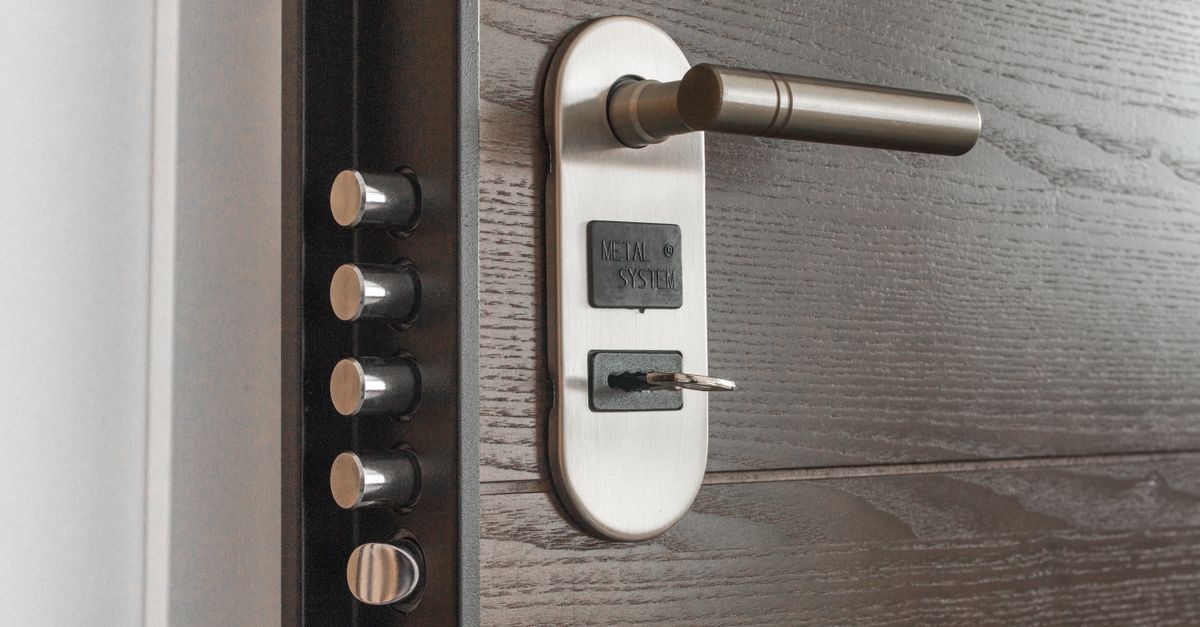
The mortise lock is the gold standard of residential and commercial door security in New York City, and for good reason. Unlike a door knob lock — which mounts on the surface of the door and relies on a single latch mechanism — a mortise lock is recessed into a pocket (the 'mortise') cut into the door's edge. This means the entire lock body, including the deadbolt and latch, is housed within the door itself, making it dramatically harder to force, kick, or compromise with common bypass tools. Walk down almost any pre-war building corridor in the West Village or on the Upper East Side and you will see mortise locks on virtually every apartment door — because New York's older building stock was designed with them in mind, and they remain the most robust option for wooden door frames.
When deciding between a mortise lock and a door knob lock, consider three things: your door's construction, your building's requirements (co-op boards and landlords sometimes specify hardware), and your threat environment. Ground-floor units, retail storefronts, and any door facing a shared hallway or alley benefit most from the added security a mortise lock provides. Door knob locks are appropriate for interior rooms where a secondary barrier — not a primary one — is all that's needed. Our team can assess your existing door setup, recommend the right grade of hardware (residential-grade locks are rated differently from commercial-grade ones), and install or rekey the unit during a single visit. If you are unsure what you currently have or what you need, call (646) 658-0515 — we answer 24/7 and can walk you through your options before you commit to anything.
## Commercial Locksmith Services: Access Control, Master Key Systems, and Beyond
Securing a commercial property in New York is a layered problem. A small business owner on Broadway in SoHo may need to manage employee access across multiple entry points, control who can open stock rooms after hours, and maintain an audit trail if something goes wrong. A commercial locksmith handles a different scope of work than a residential one — beyond installing a mortise lock on a front door, commercial engagements typically involve master key system design, high-security cylinder upgrades, electromagnetic door hardware, card-reader access control integration, and panic bar installation for fire-egress compliance.
Master key systems deserve special attention because they are frequently misunderstood. A well-designed master key hierarchy allows a building manager to open any lock in the building with one key, while individual tenants hold keys that open only their own units. Poorly designed systems — or systems installed without a proper key control policy — can be duplicated at any hardware store, defeating the entire purpose. Qualified commercial locksmiths design key-control systems where keys are restricted, meaning duplication requires authorization and cannot be done at a standard key kiosk. If your building or business relies on a master key system that was set up years ago without these controls, it is worth having a professional assess whether your system has been compromised over time through lost or unreturned keys.
## Emergency Locksmith Situations: What to Do Before You Call — and When to Call Immediately
A true emergency locksmith situation in NYC can take several forms: locked out of your apartment at midnight, keys locked inside your car outside JFK, a broken key stuck in a mortise lock cylinder, or a door that will not secure after a forced-entry attempt. Before calling a professional, run through a short checklist: Is there a spare key with a trusted neighbor, building superintendent, or family member? Is there another entry point — a back door, a building lobby entrance — you have legitimate access to? If you live in a building, has your super been notified? These steps take two minutes and may save you a service call.
If none of those options resolve the situation, call a professional immediately — do not attempt to manipulate the lock yourself. Forcing or improvising an entry on a mortise lock or a high-security cylinder can damage the lock body, the door frame, or both, turning a lockout into a costly repair. For the question Can a locksmith let me into my house? — yes, and any reputable professional will ask you to verify ownership or tenancy before proceeding. Expect to show a photo ID matching the address, a lease agreement, or a utility bill. This is not an inconvenience; it is a sign that the technician you called is operating ethically. Manhattan Key Locksmiths technicians are trained to verify identity before every residential unlock, every time — protecting both you and your neighbors.
## Auto Locksmith Services: Understanding the Difference Between a Locksmith and an Auto Locksmith
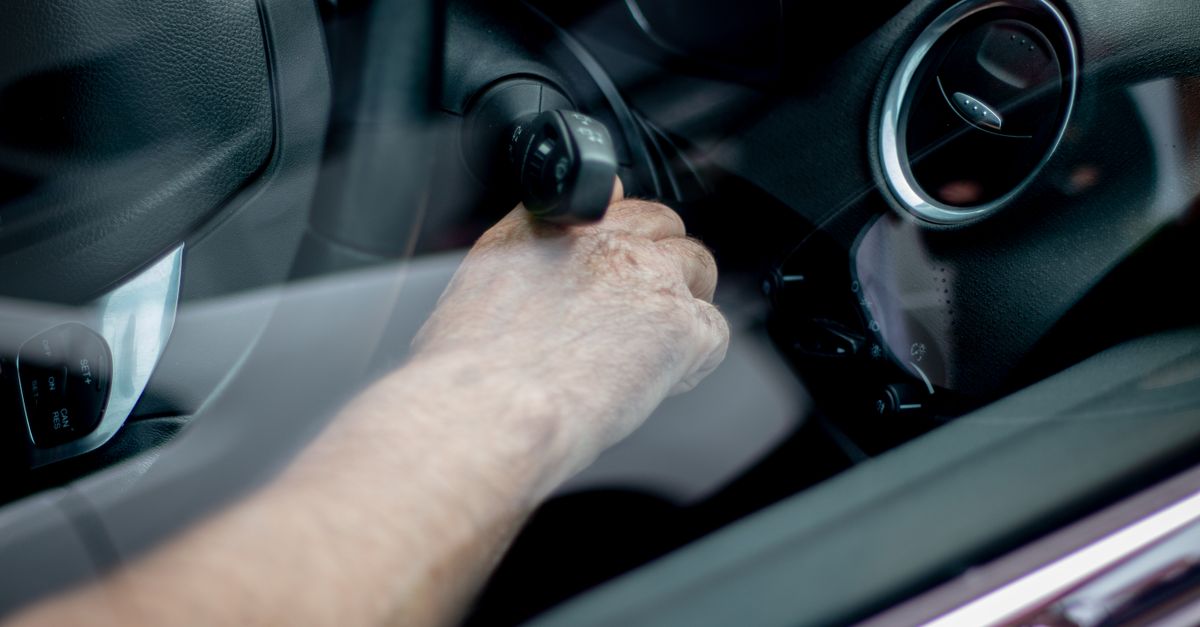
The question What is the difference between a locksmith and an auto locksmith? comes up often, especially when someone is stranded in a parking garage or outside a vehicle on the FDR Drive. The honest answer is that modern automotive lock systems — transponder keys, smart keys, proximity fobs, and push-button ignitions — require specialized programming equipment that a general locksmith may not carry. An auto locksmith is trained specifically on vehicle entry, key cutting, and transponder programming across a wide range of makes and models, from domestic sedans to European imports.
When evaluating an auto locksmith, ask whether they carry the programming hardware for your specific vehicle make and year before they arrive. The cost of an automotive locksmith service depends on factors including the vehicle make and model, the type of key (a basic cut key is very different from a proximity smart key), the time of day, and the technician's travel distance to your location. At Manhattan Key Locksmiths, we confirm an exact price before any work begins — no after-the-fact charges once the car is open. We serve drivers throughout the five boroughs and surrounding areas, and our mobile units carry equipment for a broad range of vehicle types so we can resolve most situations in a single visit.
Frequently asked questions
Which security company is the best in New York for residential locksmith work?+
The best fit depends on your specific situation — the type of property, the hardware already installed, and the nature of your security concern. Rather than chasing rankings, look for a company that employs trained technicians, carries insurance, provides a verified physical address, and gives you a confirmed up-front price before work starts. For residential work specifically, ask whether they have experience with mortise lock installation and rekeying, since that is the dominant hardware type in NYC's older building stock. Manhattan Key Locksmiths handles residential security calls across New York 24 hours a day — call (646) 658-0515 to speak with someone directly.
Where can I find an urgent locksmith in NYC at 2 a.m.?+
Start by looking for a company that explicitly advertises 24/7 mobile service — not a company that lists a phone number that routes to an answering service after hours. Call and verify that a real dispatcher answers before you commit. Ask where the nearest available technician is located and get a realistic estimated arrival time. Legitimate emergency locksmith providers operate mobile units positioned throughout the city precisely because NYC emergencies do not follow business hours. Manhattan Key Locksmiths answers calls around the clock — including nights, weekends, and holidays — and dispatches trained technicians from locations across the New York area. Call (646) 658-0515 any time.
How do I know if a locksmith is legit and not a scam operation?+
There are several reliable signals. A legitimate locksmith will give you a company name and physical address upfront, arrive in a marked or identifiable vehicle, present identification on arrival, and quote you a firm price before touching your lock — not after the job is complete. Be cautious if the price quoted on the phone changes dramatically once the technician arrives, or if the technician arrives in an unmarked car with no company identification. In New York, you can verify a locksmith business is registered with the state. Also ask whether the person who shows up is an employee of the company or a subcontractor — reputable firms employ their own trained technicians and stand behind their work.
Do I need a mortise lock, or will a standard door knob lock be enough for my NYC apartment?+
For most NYC apartments — especially those on lower floors, in buildings with shared entry points, or in units that have experienced break-in attempts in the building — a mortise lock is the stronger choice. The mechanism is embedded within the door, making it far more resistant to physical force than a surface-mounted door knob lock. Door knob locks are better suited for interior doors where a primary security barrier already exists. If you are unsure what you currently have installed, a trained technician can inspect your door hardware, explain your options, and recommend the appropriate upgrade without any obligation to proceed. A mortise lock installation or upgrade is one of the most cost-effective security improvements available for a New York City residential unit.