Manhattan Key Locksmiths Service Team
Local locksmith team
Sep 25, 2026 11 min read
If you have ever called a locksmith in New York City and wondered whether the person who shows up is actually qualified to touch your locks, you are not alone. New York City has some of the most specific locksmith licensing requirements in the entire country, and understanding those rules can be the difference between a smooth, secure service call and a costly mistake. Whether you are locked out of your apartment on the Upper West Side, need a new mortise lock installed on a brownstone door in Brooklyn, or want a deadbolt added to your home office, knowing who you are letting in matters just as much as getting back in.
This guide walks you through exactly what New York law requires of locksmiths, how to spot a legitimate professional versus an unlicensed operator, and what the most common locksmith services actually involve — from rekeying a door lock to opening a deadbolt during an emergency. By the end, you will have a clear picture of why hiring a trained, insured locksmith in New York City protects your home, your car, and your peace of mind.
## Do You Need a License to Be a Locksmith in NY? What the Law Actually Says
Yes — and the rules are serious. In New York City, locksmiths are regulated under the New York City Administrative Code, which requires any individual or business performing locksmith services for compensation to hold a Locksmith License issued by the New York City Department of Consumer and Worker Protection (DCWP). This is not a general contractor's license or a business registration — it is a trade-specific credential that requires a background check, fingerprinting, proof of experience, and payment of a licensing fee. Operating without one is a violation that can result in fines and legal action against the business.
What makes NYC stand out from much of the rest of the state is that this requirement is strictly enforced within the five boroughs. Outside the city, New York State does not impose a uniform statewide locksmith licensing law, which means standards can vary dramatically in suburban and rural areas. For residents and business owners in Manhattan, the Bronx, Brooklyn, Queens, and Staten Island, the law is clear: the locksmith who works on your door, your mortise lock, or your vehicle must be operating under a valid DCWP license. Always ask to see it — or verify the license number on the DCWP website before work begins.
## How Do I Know If a Locksmith Is Legit? Red Flags and Green Flags
A legitimate locksmith operating in New York City will have no hesitation showing you their DCWP license number, providing a written or verbal quote before touching any hardware, and arriving in a clearly identified vehicle with professional tools. At Manhattan Key Locksmiths, our team is trained and experienced specifically in the range of locks and security hardware common to New York City buildings — from the heavy-duty mortise lock assemblies you find in pre-war Manhattan apartment buildings along Central Park West, to modern electronic deadbolts in new construction towers in Long Island City. We are also insured, which matters enormously if anything goes wrong during a service call.
The red flags are equally clear. Be cautious of any locksmith who quotes an unusually low price over the phone and then significantly raises it once on-site, who cannot produce a license number when asked, who arrives in an unmarked vehicle with no company identification, or who immediately recommends drilling your lock when a simpler solution is available. Drilling is sometimes necessary — for example, if a mortise lock cylinder is severely damaged — but a skilled locksmith will exhaust non-destructive options first. If you are ever unsure, you have every right to pause the job and call us directly at (646) 658-0515 before proceeding with anyone else.
## What a Qualified Locksmith Can Actually Do for You: From Mortise Locks to Emergency Lockouts
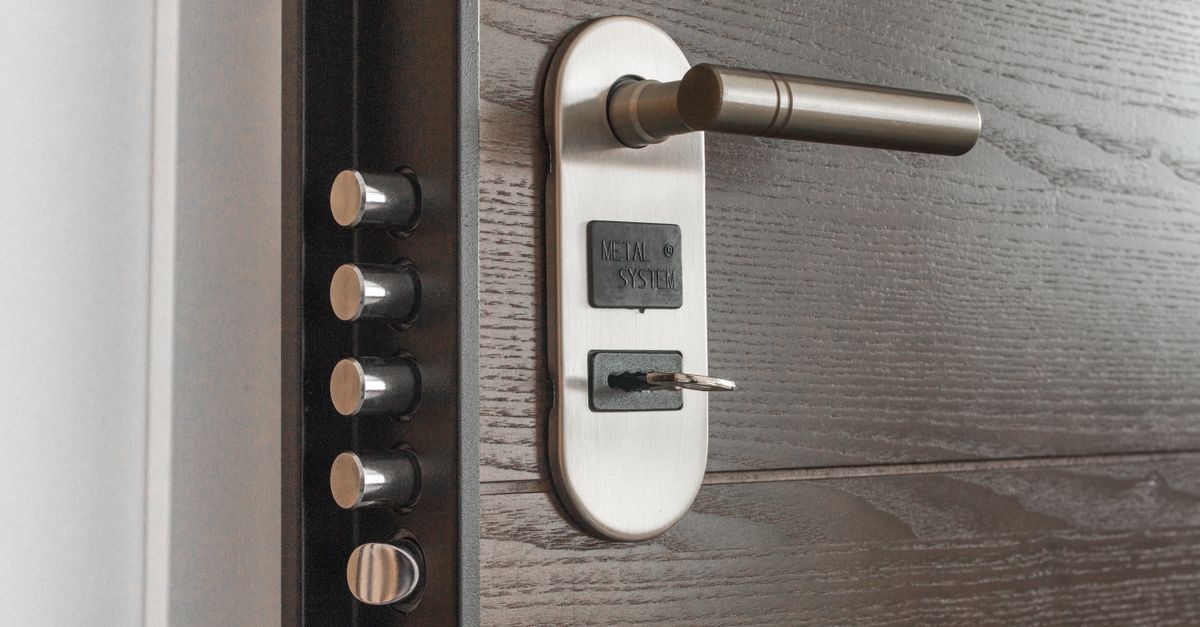
People often underestimate how wide the scope of professional locksmith work is. Yes, we respond to emergency locksmith calls at 2 a.m. when someone is locked out on a cold sidewalk in Midtown — but our services go far beyond that. One of the most common jobs in older New York City buildings is servicing, replacing, or upgrading the mortise lock. A mortise lock is the type of lock that fits into a pocket (or mortise) cut into the body of the door, as opposed to a bored cylindrical lock that sits in a drilled hole. They are extremely common in the pre-war and mid-century buildings that define so much of Manhattan's residential stock, and they require specific expertise to measure, fit, and install correctly. For example, knowing how to measure a backset on a mortise lock — the distance from the edge of the door to the center of the keyhole — is essential for sourcing the correct replacement part and ensuring the lock functions properly.
Beyond mortise lock work, our qualified team handles rekeying, which is one of the most practical and frequently requested services. When people ask how do you rekey a door lock, the short answer is that a locksmith disassembles the cylinder, replaces the internal pins with a new combination, and reassembles it so that only a new key will operate the lock — your old keys no longer work. This is ideal when you move into a new apartment, lose a key, or end a relationship with someone who had a copy. We can also install a deadbolt where none exists — yes, a locksmith can install a deadbolt, and doing so on an exterior door is one of the single most effective security upgrades a homeowner or renter can make. If you are wondering whether a locksmith can open a deadbolt during a lockout, the answer is also yes — a trained locksmith has the tools and knowledge to open a deadbolt non-destructively in most standard scenarios, verifying your identity and ownership before doing so.
## What Is the Difference Between a Locksmith and an Auto Locksmith? Understanding Specializations
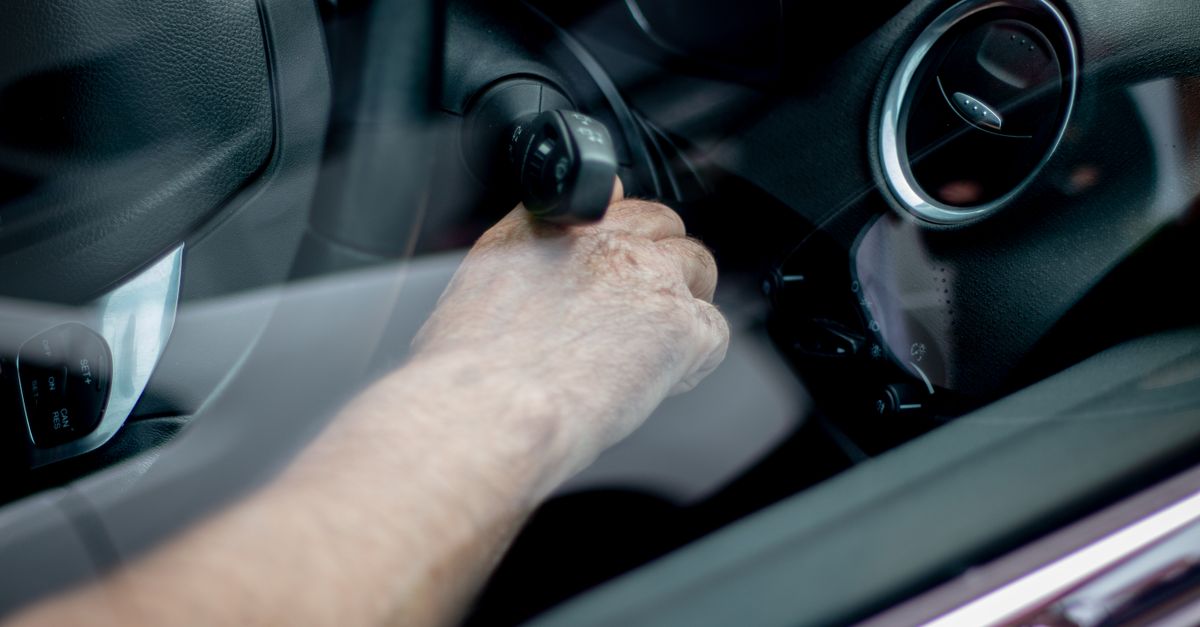
This is a question that comes up more than you might expect, and it matters when you are standing next to a locked car at a parking garage under Madison Square Garden. A general locksmith primarily focuses on residential and commercial door hardware — deadbolts, mortise locks, door knob locks, padlocks, and access control systems. An auto locksmith, by contrast, specializes in vehicle entry, key cutting, transponder key programming, and ignition work. The techniques, tools, and knowledge involved are genuinely different skill sets. Some locksmiths are trained and experienced in both areas; others specialize in one.
At Manhattan Key Locksmiths, our mobile team handles both residential and automotive locksmith calls across New York City, which is exactly what you need from a 24/7 service in a city where you might lock your keys in your car one morning and need a new mortise lock cylinder by the afternoon. When you call us, we will ask the right questions upfront — make and model of vehicle, type of lock, your address — so we can send the right technician with the right equipment. Pricing for automotive work depends on factors like the vehicle make and model, the type of key or fob involved, and the time of the call. We always confirm an exact price before any work begins, so there are no surprises.
## Your 25-Point Guide to Services a Qualified NYC Locksmith Provides
Understanding the full range of services a trained locksmith offers helps you know exactly when to call — and what to ask for. Here is what our team at Manhattan Key Locksmiths handles across homes, apartments, businesses, and vehicles throughout New York City: 1. Emergency residential lockout response 2. Emergency commercial lockout response 3. Mortise lock installation and replacement 4. Mortise lock cylinder repair and rekeying 5. Deadbolt installation on exterior and interior doors 6. Deadbolt opening during lockouts (ownership verified) 7. Door knob lock replacement and repair 8. Door knob lock rekeying 9. Master key system design and installation 10. High-security lock upgrades (Schlage, Kwikset, Medeco-compatible hardware) 11. Lock rekeying after a move or key loss 12. Broken key extraction from locks and ignitions 13. Key duplication for residential and commercial properties 14. Electronic keypad and smart lock installation 15. Smart lock code programming and reset (for residents asking how do you change the code on a door lock, we handle both DIY-compatible and proprietary systems) 16. Access control system installation for commercial spaces 17. Cabinet and drawer lock installation 18. Mailbox lock replacement 19. Storage unit lock cutting (with ownership proof) 20. Padlock installation and removal 21. Safe opening and combination changes 22. Automotive lockout service 23. Car key cutting and duplication 24. Transponder key and key fob programming 25. Ignition repair and cylinder replacement For any of these services, call us at (646) 658-0515 — we answer every hour of every day, including holidays.
## Can a Locksmith Let Me Into My House? What Happens During a Residential Lockout
Yes, a locksmith can let you into your house — and a responsible one will verify that you have the right to be there before doing so. When you call a professional locksmith for a residential lockout, expect them to ask for a photo ID and, in some cases, proof of residency such as a utility bill, lease agreement, or piece of mail at the address. This is not an inconvenience; it is a safeguard that protects you and your neighbors. No trained locksmith should open a door without confirming who they are opening it for.
In practice, a skilled locksmith will first assess the type of lock — whether it is a standard deadbolt, a door knob lock, or a mortise lock — and attempt to open it non-destructively using professional tools. Drilling is a last resort. If you find yourself locked out, before calling, it is worth a quick check: is there a spare key with a trusted neighbor, a building super, or a family member nearby? Is there another entrance — a back door, a connected garage — that you have access to? If none of those options work, that is exactly when you call a 24/7 emergency locksmith. In a city like New York, where building layouts range from standard apartment doors in Astoria to historic townhouse locks in the West Village, having a team that knows local hardware is genuinely valuable. Manhattan Key Locksmiths operates around the clock specifically because lockouts do not wait for business hours — call us any time at (646) 658-0515.
Frequently asked questions
Do you need a license to be a locksmith in NY?+
Within New York City, yes — absolutely. Any locksmith providing services for compensation in the five boroughs must hold a valid Locksmith License issued by the New York City Department of Consumer and Worker Protection. This involves a background check, fingerprinting, and demonstrated experience. Outside the city, New York State does not currently have a uniform statewide licensing requirement, so standards vary. If you are in NYC, always ask for the DCWP license number before work begins and verify it online.
How do I find an urgent locksmith in NYC at 3 a.m.?+
The most reliable approach is to save the number of a trusted 24/7 mobile locksmith before you ever need one. Manhattan Key Locksmiths operates around the clock across New York City — call (646) 658-0515 any time and a real person will answer. When you call in an urgent situation, have your ID and address ready, and expect the locksmith to verify your identity before opening any lock. Avoid flagging down unmarked vehicles or using pop-up ads in a panic — that is when unlicensed operators find vulnerable customers.
Can a locksmith install or open a deadbolt, and how is pricing determined?+
Yes on both counts. A trained locksmith can install a new deadbolt where none exists, upgrade an existing one to a higher-security model, and open a deadbolt non-destructively during a lockout after verifying your identity. The final price for any of these services depends on several factors: the type and brand of lock involved, the complexity of the door preparation required (especially for mortise lock work), the time of day the call comes in, your location, and whether new parts are needed. At Manhattan Key Locksmiths, we confirm an exact price with you before any work begins — no hidden fees after the fact.
What is the difference between rekeying a lock and replacing it entirely?+
Rekeying changes the internal pin configuration of your existing lock cylinder so that only a new key operates it — all old keys are rendered useless. It is a cost-effective option when the lock hardware itself is in good condition and you simply need to control who has access, such as after moving into a new apartment or losing a key. Replacing the lock means installing entirely new hardware, which makes sense when the existing lock is damaged, outdated, or you want to upgrade to a higher-security option like a heavy-duty mortise lock or a smart deadbolt. A qualified locksmith will assess your specific situation and recommend the right approach — we are happy to walk you through the options when you call.