Manhattan Key Locksmiths Service Team
Local locksmith team
Aug 14, 2026 10 min read
If you live in a Manhattan pre-war building — think a classic Upper West Side brownstone, a Gramercy co-op from the 1920s, or a landmarked walkup on the Lower East Side — there is a very good chance your front door is secured by something far more substantial than the standard hardware you find at a big-box store. NYC apartments routinely have two or even three different lock types stacked on a single door, and knowing exactly what you have matters the moment a key breaks, a cylinder wears out, or a lockout happens at midnight.
This guide is written for renters and owners who want a straight answer: what kind of lock is on my door, how do they differ, and what are my actual repair options? We will walk through the most common types found in New York apartments, explain how to tell them apart just by looking, and cover what a skilled locksmith will actually do when something goes wrong.
## What Is a Mortise Lock — and Why Do So Many NYC Doors Have One?
A mortise lock is a lock whose mechanism lives inside a deep rectangular pocket — the mortise — cut directly into the edge of the door. The full assembly, called a mortise lock set, includes the latch bolt, the deadbolt, the trim hardware, and an internal chassis all in one unit. Because the mechanism is recessed into the door body rather than surface-mounted, a mortise lock is inherently more resistant to forced entry than most alternatives. That robustness is exactly why New York building owners installed them so heavily throughout the early and mid-20th century, and why so many are still in service today.
When you look at the edge of a door with a mortise lock set, you will see a large faceplate — often three to five inches tall — covering the entire lock body. On the face of the door you will typically see a keyhole below or above a thumb-turn knob. Brands like Corbin Russwin and Baldwin built mortise lock hardware that was spec'd into thousands of Manhattan buildings, and well-maintained examples from those manufacturers are still working reliably after seventy or eighty years of use. Knowing you have one of these means knowing that service requires a locksmith experienced with older commercial-grade lock hardware, not just a standard residential repair kit.
## Cylinder Locks: The Rim Cylinder, the Knob Lock, and the Modern Deadbolt
The cylinder lock family covers several types you will recognize immediately. The most common in NYC apartments is the rim cylinder lock — a single-cylinder unit surface-mounted to the inside of the door and connected to a rim latch or a Fox Police Lock bar. The cylinder itself is the round barrel you insert the key into; the rest of the hardware either bolts onto the door surface or wraps around the edge. Rim cylinders are especially common as the secondary or tertiary lock on NYC apartment doors, often installed alongside the building's original mortise hardware.
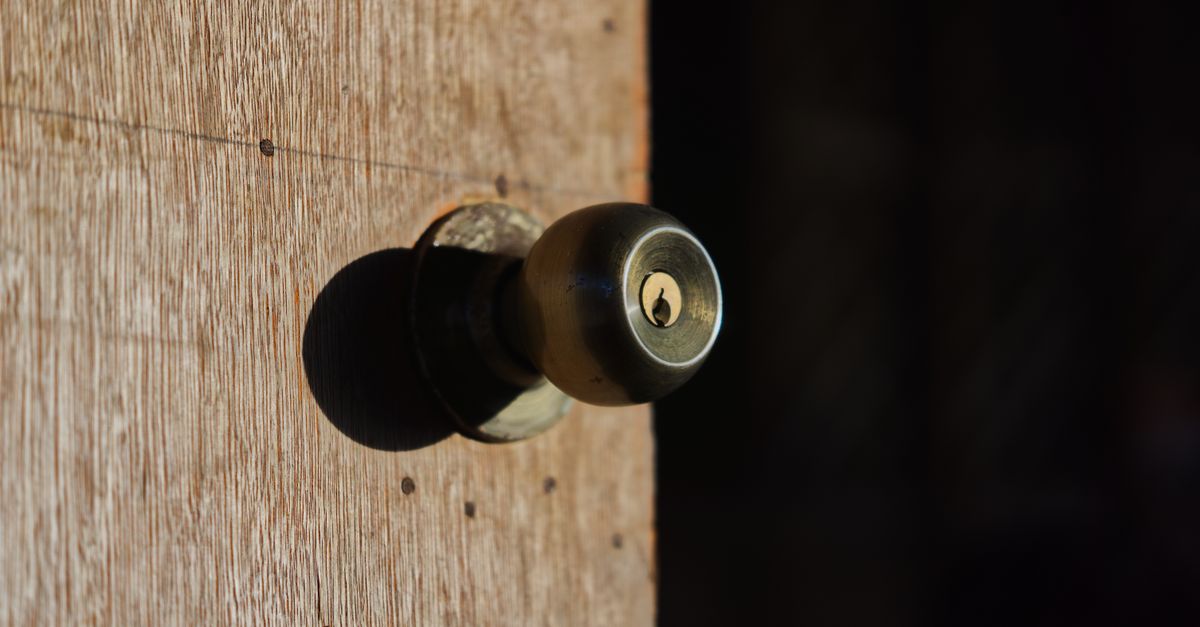
You may also have a door knob lock, where the keyway is built into the center of the exterior knob itself, or a standard single or double-cylinder deadbolt, where the cylinder sits in a bored hole through the door. The practical difference from a service standpoint is significant: a rim cylinder lock or knob lock can usually be rekeyed or swapped without opening up the door edge, while working on a mortise lock set requires removing the face hardware, extracting the entire chassis, and fitting replacement parts that are specific to that lock's internal geometry. Not every locksmith carries the right parts for older mortise hardware on a service vehicle — that is a detail worth asking about before anyone shows up.
## How to Tell Which Lock You Have Right Now
Stand at your apartment door and look at the edge — the narrow strip of wood visible when the door is open. If you see a tall, rectangular metal plate (called a faceplate or mortise plate) inset flush with the wood, you have a mortise lock. The plate will cover both the latch bolt and the deadbolt, usually with two small openings in the plate for each bolt to extend through. The door edge will also look noticeably thick, since the pocket routed for the lock body removes a significant amount of wood from the interior of the door slab.
If the edge shows only a small strike-like plate — or just a hole for the latch bolt with no tall faceplate — and most of the hardware is mounted on the door face or in a bored round hole, you are looking at one of the cylinder-family locks. Many NYC doors show both: a tall mortise faceplate at mid-door height and a separate surface-mounted rim cylinder lock a few inches above or below. That combination is extremely common in pre-war co-ops and rental buildings from the Flatiron District up through Inwood. If you are still unsure, a photo sent to our team before a service call is a quick way to confirm the lock type and make sure the right parts come with the technician.
## Repair and Rekey Options — What a Skilled Mortise Lock Locksmith Can Do
For a mortise lock, the most common service calls we handle in Manhattan are: cylinder replacement (swapping out the mortise lock cylinder — the removable insert — when a key is lost or a cylinder wears down), full chassis replacement when the internal mechanism has broken past the point of adjustment, and rekeying when a tenant moves out or keys are unaccounted for. Because many older Corbin Russwin and Baldwin mortise lock sets use proprietary internal parts, a professional needs to either carry compatible stock or source it accurately. Improvising with wrong-sized parts is how doors end up with loose hardware or a latch that does not seat properly — a real security risk in a high-traffic building.
For rim cylinder locks and knob locks, rekeying is straightforward and fast. Cylinder locks on modern deadbolts can often be rekeyed on-site in minutes with a pinning kit. The cost of any mortise lock or cylinder lock service depends on factors including the specific lock model and its part availability, the time of day the call comes in, where in the city you are located, and whether the job requires sourcing specialty components. At Manhattan Key Locksmiths, we confirm an exact up-front price before any work begins — no surprises after the job is done. If your lock is giving you trouble or you are managing a building turnover, call us at (646) 658-0515 and we will talk through what your specific hardware needs before we send anyone out.
Beyond individual apartment doors, we also handle commercial locksmith work for building owners, super-managed buildings, and small businesses across the five boroughs. Installing or rekeying a full floor of mortise hardware, setting up a master key system for a landlord, or replacing door knob locks across multiple units are all jobs our team handles regularly. We also provide emergency locksmith response around the clock — if it is 2 a.m. and you are locked out of your apartment on Amsterdam Avenue, we are the team to call.
## Staying Safe During a Lockout — and Knowing When to Call a Pro
A lockout is stressful, and the instinct to force things is understandable — but it is also how door frames get damaged and how mortise hardware, which is expensive to replace, ends up cracked. Before calling anyone, run through the basics: check whether a roommate, building super, or property manager has a spare key. Many NYC buildings — especially managed co-ops and condos near Midtown or the Financial District — have a super on call who can assist. If you are an owner, check whether your managing agent has a master. If none of those options are available, that is when a professional emergency locksmith earns their value: non-destructive entry techniques exist precisely to open a locked door without damaging the mortise lock set or cylinder hardware inside, preserving the hardware you will need tomorrow.
One question we hear often: can a locksmith let me into my house? Yes — it is a standard, legitimate service, and any experienced locksmith will verify ownership or tenancy before proceeding, typically by asking for a government-issued ID matching the address. That is a routine and appropriate step, not an obstacle. If you are ever in that situation and need urgent help, our team is reachable 24 hours a day at (646) 658-0515. We cover all of Manhattan and the surrounding New York area, and our emergency locksmith response is available every day of the year, including holidays.
## Frequently Asked Questions About Locksmiths and Lock Types in NYC
Frequently asked questions
What is the difference between a locksmith and an auto locksmith?+
A general locksmith handles residential and commercial door hardware — mortise lock sets, cylinder locks, deadbolts, door knob locks, master key systems, and building security. An auto locksmith specializes in vehicle entry and key work: car lockouts, transponder key programming, ignition repairs, and key fob replacement. Some locksmiths, including our team at Manhattan Key Locksmiths, are trained and equipped to handle both residential and automotive calls. When you call, just describe your situation and we can confirm whether it falls within what our technician will carry on that particular service vehicle.
Do you need a license to be a locksmith in New York?+
New York State does not currently have a statewide licensing requirement specifically for locksmiths, though some municipalities have their own rules and local regulations apply to business operation generally. What that means practically is that the barrier to entry is low — anyone can put a sign on a van. That is exactly why you should ask about a locksmith's experience with your specific lock type, whether they are insured, and whether they give you a confirmed price before starting work. At Manhattan Key Locksmiths, our team is trained and experienced on a wide range of residential and commercial lock hardware, we are insured, and we always confirm pricing up front.
How do I know if a locksmith is legitimate?+
A few reliable signals: they answer questions about their business location, they give you a firm price before starting work rather than adding charges after the job, they ask to see your ID during a lockout before opening your door, and they do not pressure you into replacing hardware you did not ask about. Be cautious of any service that quotes an unusually low figure over the phone and then changes the number once they arrive. A straightforward locksmith will tell you exactly what the job involves, what parts are needed, and what the total will be — before touching anything. You can also ask how long they have been operating in the area and whether they have handled your specific lock type before.
Where can I find an urgent locksmith in NYC?+
For a genuine emergency in Manhattan or the surrounding boroughs, you want a mobile locksmith with 24/7 availability — not a service that routes your call to a distant call center and dispatches whoever is available in the region. Manhattan Key Locksmiths is a local, mobile team operating throughout the New York area around the clock. Whether you are locked out of a pre-war apartment with a mortise lock on West End Avenue or you need an emergency cylinder replacement in a building near Penn Station at 3 a.m., call (646) 658-0515. We answer every call, every hour of the day.