Manhattan Key Locksmiths Service Team
Local locksmith team
May 8, 2026 12 min read
You are standing outside your apartment on the Upper West Side at 11 p.m., your keys sitting on the kitchen counter, and a locksmith is on the way. When the technician finally arrives and kneels in front of your door, you might find yourself wondering: what exactly is happening right now, and is it safe? That feeling of uncertainty is completely normal — and it is exactly what this guide is designed to fix. Understanding the legitimate, non-destructive methods a skilled locksmith uses to open a locked door puts you in control of the situation and helps you recognize a true professional when you see one.
Manhattan Key Locksmiths has responded to thousands of lockouts across every borough — from walk-ups in Inwood to brownstones in Carroll Gardens and high-rises near Grand Central. Whether you are locked out of your home, your car, or your business, our experienced technicians carry a trained eye and the right tools to handle your specific lock without damaging your property. Here is an honest, practical look at what those techniques actually involve — and what you should expect at every step.
## What Happens the Moment a Locksmith Arrives at Your Door
Before anything is touched, a legitimate emergency locksmith will ask you to verify ownership or occupancy. This is not bureaucracy — it is the ethical standard that separates a qualified professional from someone you should not trust. Expect to show a photo ID, a lease, a vehicle registration, or another document that ties you to the address or car. Our technicians at Manhattan Key Locksmiths follow this verification step every single time, no exceptions. If a locksmith ever shows up and immediately starts working without asking who you are, that is a red flag worth taking seriously.
Once identity is confirmed, the technician assesses the lock before doing anything else. They will look at the type of hardware — is it a standard door knob lock, a deadbolt, a mortise lock, or a high-security cylinder — because the entry method depends entirely on what is installed. A mortise lock, which is common in older New York City buildings and pre-war apartments, is a large rectangular lock body that sits inside a pocket cut into the door edge. It operates differently from a simple cylindrical knob lock, and a skilled technician treats each one accordingly. This assessment also determines the quote you receive, which is always confirmed with you up front before any work begins.
## The Non-Destructive Entry Techniques a Skilled Locksmith Actually Uses
The most common non-destructive method is lock picking, and it is nothing like the Hollywood version where someone stabs a bobby pin into a keyhole and a door swings open in two seconds. Real lock picking involves manipulating the internal pin stacks of a cylinder using a tension wrench and a pick to simulate what the correct key would do — lifting each pin to the precise shear line so the cylinder can rotate. On a standard residential deadbolt this can take anywhere from under a minute to several minutes depending on the lock's security rating. A mortise lock adds complexity because its cylinder controls a separate internal mechanism, so the technician must account for that linkage. Our technicians never rush this process; moving too fast can damage the cylinder and turn a simple job into a costly replacement.
A second legitimate technique is called bumping, which uses a specially cut bump key struck lightly with a mallet to momentarily jostle pins to the shear line. It works on many pin-tumbler locks but is less effective on high-security cylinders with anti-bump features, which is one reason upgrading your hardware matters. A third approach — used when picking and bumping are not suitable — is decoding and impressioning, where the technician creates a working key by reading the lock or by inserting a blank and marking the cut points through controlled movement. For vehicles like a Nissan Altima with locked keys in the car, or a Hyundai Elantra with locked keys in the car, the approach shifts to automotive-specific tools: a long-reach rod and air wedge that gently separate the door frame just enough to reach an interior unlock button, or an automotive key decoder combined with an on-board diagnostic connection for newer smart-key vehicles. If you have a Hyundai Sonata with locked keys in the car or a Chrysler Pacifica in the same situation, the make and model determine exactly which tool set applies — another reason a mobile locksmith who carries a full inventory is worth calling rather than waiting on a tow.
## Mortise Locks, Deadbolts, and Door Knob Locks: Why the Hardware Type Changes Everything
Not all locks yield to the same technique, and understanding the difference helps you follow what the technician is doing. A door knob lock is the simplest residential hardware — the locking mechanism lives inside the knob itself, and because the bolt is spring-loaded rather than thrown by a key, it is generally the quickest to address through picking or, in some cases, a shimming technique for older models. A single-cylinder deadbolt throws a solid bolt deeper into the door frame and requires a true key turn, making it more resistant to casual bypass — which is precisely why so many New Yorkers ask: can a locksmith open a deadbolt? Yes, a trained locksmith can open a deadbolt non-destructively using picking or bumping, though higher-grade cylinders (Medeco, Mul-T-Lock, Abloy) take considerably longer and sometimes require impressioning.
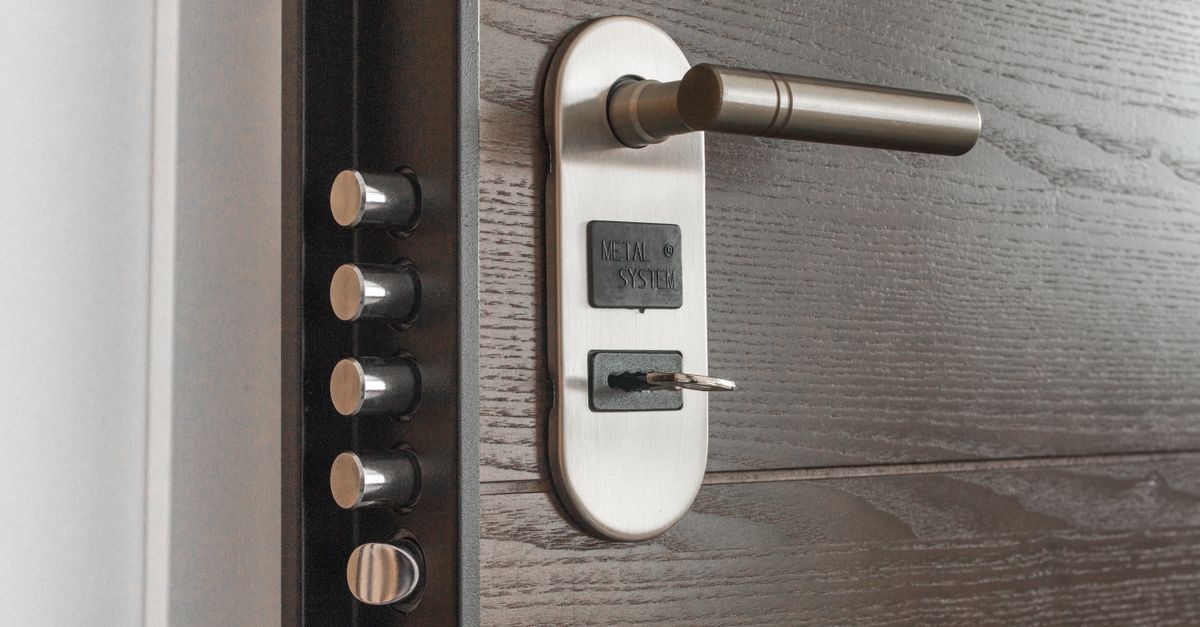
The mortise lock deserves special attention because it is the defining hardware of New York City's older residential and commercial building stock. Walk into almost any pre-war building on the Upper West Side, the West Village, or Park Slope and you will find a mortise lock set into the door edge — a full-length case containing the latch, deadbolt, and often an auxiliary lock, all actuated by a single internal cam. Our commercial locksmith team services mortise locks daily in offices, retail storefronts, and multi-unit residential buildings. Opening one requires understanding how the cylinder interfaces with the case, and installing or replacing one demands precise measurement and fitting. If you have been thinking about upgrading — and a common question we hear is: can a locksmith install a deadbolt in place of an aging mortise set? — the answer depends on your door's preparation (the existing pocket cut), but in most cases a qualified technician can assess whether a deadbolt retrofit makes sense or whether staying with a mortise system and upgrading the cylinder is the smarter path. We will walk you through the options before any work starts. If you are ready to talk hardware or need urgent help right now, call (646) 658-0515 — we answer around the clock.
## How to Know You Are Letting the Right Person Touch Your Lock
New York State does not currently require a specific statewide locksmith license, which is a reality that surprises many residents. So when someone asks: do you need a license to be a locksmith in NY? — the honest answer is that there is no state-mandated locksmith license at this time, though individual municipalities can impose their own rules, and any business operating here must comply with general business registration and insurance requirements. This regulatory gap makes it more important, not less, to know how to tell a qualified professional from someone without real training. Ask about their insurance (our team is insured), confirm they provide a written quote before touching anything, and check that they arrived in a marked vehicle with identifiable company branding. How do I know if a locksmith is legit? Look for those three things: verified identity, a clear upfront price, and transparent documentation.
You may have heard people ask: which security company is the best in New York? We are not going to make sweeping claims — but we will tell you what genuine quality looks like in practice. It looks like a technician who explains what they are doing before they do it, who does not damage your door or frame, and who does not charge you a surprise fee after the job is done. It looks like someone who can handle a mortise lock on a 1920s Upper West Side building and a modern smart lock on a new development in Hudson Yards with equal competence. Those are the standards we hold ourselves to on every call, day or night.
## After the Door Opens: What Comes Next and How to Prevent the Next Lockout
Once you are back inside, a good technician will take a moment to test the lock function and make sure the door closes and secures properly before leaving. If the entry required any disassembly — common with a mortise lock whose cylinder needed to be removed — everything should be reassembled and confirmed working. This is also the right moment to ask about hardware condition. If a lock opened unusually easily, that may signal worn pins or a cylinder that no longer provides adequate security; if a cylinder was visibly forced or corroded, replacement is worth discussing on the spot.
For prevention, three habits make a real difference in New York City: leave a spare key with a trusted neighbor rather than under a doormat or in a fake rock (experienced burglars check both), enroll your building's super or front desk as a backup contact, and keep our number saved before an emergency happens. People often ask: where can I find an urgent locksmith in NYC? — and the honest answer is that the right time to answer that question is before you need one, not while you are standing in the rain on Amsterdam Avenue at midnight. Drivers who have dealt with a Nissan Altima locked-keys-in-car situation or a Chrysler Pacifica lockout know this firsthand. Save (646) 658-0515 now, and if tonight is already the emergency, we are on the way — 24 hours a day, seven days a week, across the entire New York metro area.
## Our Services: What Manhattan Key Locksmiths Handles Every Day
Understanding the full range of what a trained mobile locksmith can do helps you know who to call for more than just a lockout. Our team handles residential lockouts, commercial lockouts, and automotive lockouts across Manhattan, Brooklyn, Queens, the Bronx, and surrounding areas. We install, rekey, and repair mortise locks, deadbolts, door knob locks, and high-security cylinders from brands including Schlage, Kwikset, Medeco, and Mul-T-Lock. We cut standard and transponder car keys, program key fobs, and extract broken keys from cylinders without damaging the lock body. We handle safe opening and combination changes, master key system design for multi-unit buildings, and access control installation for businesses. Our commercial locksmith services include panic bar installation, door closer adjustment, storefront lock replacement, and after-hours emergency response for retail and office properties. We also handle mailbox lock replacement, intercom lock repair, padlock removal, garage door lock service, window lock installation, patio door lock repair, lock rekeying after a move or tenant change, peephole installation, door reinforcement hardware, and smart lock installation and programming. Whether you manage a single apartment or a multi-floor office building in Midtown, we bring the right tools and experience to the job — and always confirm the full price before we begin.
Frequently asked questions
Can a locksmith let me into my house without damaging my lock or door?+
In the vast majority of residential situations, yes. A trained locksmith will first assess the lock type — whether it is a door knob lock, a deadbolt, or a mortise lock — and then select the least invasive method available, typically picking or bumping the cylinder. Destructive entry (drilling) is reserved for situations where the lock cannot be opened non-destructively, such as a seized high-security cylinder or a damaged lock body. When our technicians arrive, they explain the chosen approach and get your agreement before starting. The goal is always to get you inside with the lock intact and fully functional.
What is the difference between a locksmith and an auto locksmith?+
A general locksmith focuses primarily on residential and commercial door hardware — installing and servicing mortise locks, deadbolts, and access control systems, cutting house keys, and responding to home lockouts. An auto locksmith specializes in vehicle entry and key work: opening car doors without damage using long-reach tools or air wedges, cutting and programming transponder keys, and decoding vehicle locks. Many experienced mobile locksmiths, including our team at Manhattan Key Locksmiths, are trained in both disciplines, which means one call handles a Hyundai Elantra with locked keys in the car just as efficiently as a home lockout on the same shift.
How much does a locksmith cost in New York City?+
There is no single fixed price, and any honest answer has to account for several factors: the type of lock or vehicle involved (a basic door knob lock costs less to address than a high-security mortise lock), the time of day (late-night calls involve different logistics than midday ones), travel distance to your location, and whether any parts — new cylinders, keys, or hardware — are needed. At Manhattan Key Locksmiths, our technician provides you with an exact quoted price before any work begins. You decide whether to proceed; there are no surprise charges added after the job is done.
How do I know if a locksmith is legitimate before I let them work on my door?+
Three practical checks work well in New York City. First, verify identity: a legitimate technician should arrive in a clearly marked vehicle and be willing to show identification. Second, insist on a written or clearly stated price before any tools come out — a trustworthy locksmith will never give you a low figure over the phone and then present a much larger bill once the job is done. Third, confirm they are insured and ask whether they do ownership verification before starting — any professional worth hiring will ask to see your ID or another document proving you are authorized to access the property. If a technician skips verification and immediately starts working, that is a serious warning sign.