Manhattan Key Locksmiths Service Team
Local locksmith team
May 22, 2026 13 min read
If you live in a pre-war brownstone on the Upper West Side, in a landmarked co-op on the Upper East Side, or in one of those gloriously thick-doored walk-ups in the West Village or Harlem, you already know the challenge: your building was built in the 1910s, 1920s, or 1930s, and the door hardware that came with it was designed for a world that no longer exists. Swapping locks sounds simple until you realize your door has a deep mortise pocket milled into a three-inch-thick wood stile, and none of the box-store deadbolts will drop in without major carpentry. The good news is that the right mortise lock — chosen and installed by someone who actually knows pre-war construction — can give you modern security without touching the door frame or the original woodwork.
This guide is written specifically for New York residents who want to upgrade their front-door security without a full retrofit. We will walk through which lock hardware actually fits vintage mortise pockets, what to look for in a quality mortise lock cylinder, how to think about trim and rose plates on period doors, and when you need a professional locksmith rather than a YouTube tutorial. We will also answer the questions we hear most often at Manhattan Key Locksmiths — from whether a locksmith can let you into your own home to what separates a residential locksmith from an auto locksmith.
## Why Mortise Locks Are the Right Choice for Pre-War Doors
The term mortise lock refers to a lock body that slides into a rectangular pocket — the mortise — cut into the edge of the door. Pre-war Manhattan builders used mortise locks almost universally because they are structurally stronger than surface-mounted cylindrical locks: the lock body is hidden inside the door, the strike plate is heavy-gauge steel set flush into the jamb, and the latch and deadbolt share one integrated chassis. If you currently have an aging mortise lock with a worn cylinder, the answer is almost never to rip it out and install a modern cylindrical deadbolt. That approach would require filling the mortise pocket, possibly sistering the door stile, and reframing the jamb — an expensive and architecturally disruptive project that many co-op and condo boards in landmarked buildings will not approve. The smarter path is a like-for-like mortise lock replacement or, at minimum, a cylinder re-key or upgrade that drops directly into the existing pocket.
Standard mortise lock bodies made by manufacturers such as Schlage, Baldwin, and Marks USA are available in dimensions — typically 3-1/2 inches by 6 inches or 4 inches by 8 inches — that correspond to the pockets found in most pre-war New York doors. A skilled locksmith will measure the existing chassis before ordering, because even a quarter-inch mismatch in backset or hub distance can mean the spindle will not engage the knob or lever on the other side. Beyond the body, the cylinder — usually a removable plug that accepts the key — should be upgraded to a high-security pin-tumbler or sidebar cylinder with anti-pick, anti-drill, and anti-bump features. Brands like Medeco and Mul-T-Lock manufacture cylinders in the standard formats used in vintage mortise hardware, so you get current security technology inside a lock body that fits your century-old door without modification.
## Door Knob Lock vs. Mortise Lock: What Actually Fits a Heavy Vintage Door
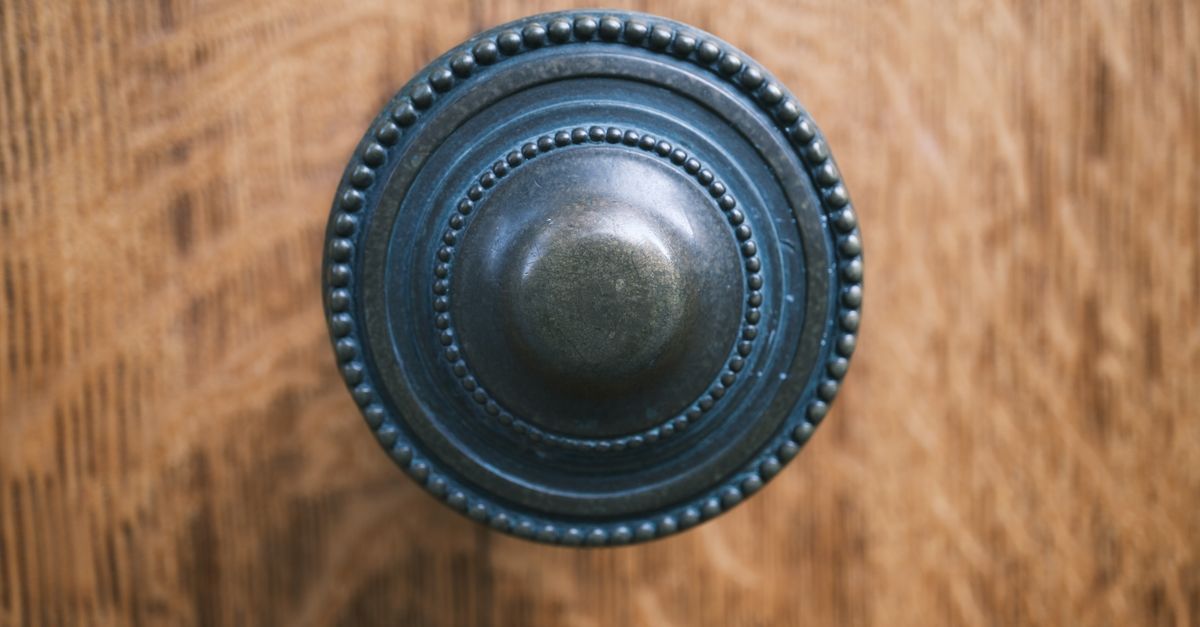
Walk into any hardware store and you will find rows of door knob locks and handlesets built around a cylindrical bored hole — a 2-1/8-inch round cutout that is standard on modern interior and exterior doors. Pre-war doors were not bored for these; they were mortised. Trying to install a cylindrical door knob lock on a pre-war door means drilling a large hole through a thick wood stile that was never designed for it, often splitting the wood or leaving the lock structurally insecure because the surrounding material is too narrow to support the rose plate properly. That is why a mortise lock is the architecturally and structurally correct choice for these buildings. The integrated body handles both the latch and the deadbolt in one unit, and the trim — the lever handle or knob, the rose or escutcheon plate — is simply face-mounted over the existing recesses in the door surface.
That said, there are scenarios where a secondary door knob lock or a rim lock makes sense on a pre-war door — typically on interior vestibule doors or secondary service doors where the original hardware was a simple passage set. In those cases, a skilled locksmith can evaluate whether a surface-mounted rim cylinder or a narrow-stile mortise set is the cleanest solution. What you want to avoid is mixing hardware that was designed for two incompatible installation standards, because the result is almost always a door that neither closes cleanly nor locks securely. If you are unsure what you have, our team at Manhattan Key Locksmiths can assess the door on-site and recommend hardware before any drilling or cutting begins.
## Choosing the Right Cylinder: Security Grades and Key Control for NYC Apartments
Once you have confirmed the mortise lock body, the cylinder is where you make or break the security of the door. Most pre-war mortise locks use a standard format cylinder — either a mortise cylinder with a cam on the back that actuates the lock mechanism, or a rim cylinder for auxiliary locks. The cylinder grades that matter most for a New York apartment are ANSI Grade 1 for residential-commercial use — the highest rating — and UL 437 for high-security applications. Look for cylinders that offer restricted keyways, meaning duplicates can only be cut by an authorized locksmith, not at a self-service kiosk. This is especially important in buildings where multiple tenants have had keys over the decades, a very common situation in pre-war Upper Manhattan and Brooklyn Heights walk-ups.
Key control is one of the most overlooked aspects of apartment security in New York. When you move into a pre-war unit, there is no guarantee how many copies of the existing key exist. A re-key — in which the locksmith changes the pins inside the existing cylinder so that old keys no longer work — is the minimum you should do on move-in day. A cylinder upgrade to a restricted-keyway system gives you a longer-term solution. Our locksmiths carry the cylinder stock and pinning equipment to re-key or replace mortise cylinders on-site, typically in a single visit. If you are in a building near Columbia University, along Riverside Drive, or in one of the older Lenox Hill pre-war towers, this is a service worth scheduling before you finish unpacking. Need help today? Call us at (646) 658-0515 — we are available around the clock.
## Emergency Locksmith Situations in Pre-War Buildings: What to Know Before You Call
Getting locked out of a pre-war apartment is a specific kind of frustrating, because the doors are heavy, the locks are old, and the building super may be unreachable at 11 p.m. on a Tuesday. As an emergency locksmith service operating 24 hours a day across Manhattan, the Bronx, Brooklyn, and Queens, our team handles these calls regularly. Before you call, run through a quick checklist: do you have a spare key with a neighbor or family member? Is there a building manager or doorman who holds a master key? Is there another entrance — a back door or fire-escape window — that is legitimately accessible to you? If none of those options resolve the situation, call a professional.
When you do call an emergency locksmith, be prepared to verify ownership or residency — a professional locksmith will ask for a photo ID and may ask to see mail or a lease document before opening the door. This is not an inconvenience; it is the standard that protects you and every resident in the building. What a locksmith will never do — and what you should never try at home — is force or bypass a lock using improvised methods, because vintage mortise locks with worn components can be damaged in ways that leave the door unable to close at all, a much worse situation than the original lockout. Our approach is always non-destructive entry when possible, and we will give you an exact price confirmation before any work begins. Factors that affect the final quote include the type and age of the lock, the time of day, travel distance to your address, and whether replacement parts are needed.
## How to Know If a Locksmith Is Legit — and What Commercial Locksmith Services Look Like in NYC
New York has no shortage of people calling themselves locksmiths, and in a city where a pre-war mortise lock is a genuinely specialized piece of hardware, hiring someone who does not know what they are doing can result in damaged doors, voided co-op warranties, or locks that are technically installed but functionally insecure. So how do I know if a locksmith is legit? Start by checking that the business has a physical presence or verifiable operating history in the city, not just a generic web listing with a stock photo. Ask directly whether the technician who arrives is experienced with mortise lock work on pre-war doors — any qualified locksmith should be able to answer specific questions about backset dimensions, cylinder formats, and hub distances without hesitation. A legitimate locksmith will also provide a written or verbal quote before starting work, will carry identification, and will be insured.
On the commercial locksmith side, pre-war buildings in Manhattan often have mixed-use ground floors — retail, medical offices, restaurants — and those spaces frequently share the same vintage door stock as the residential units above. Commercial locksmith services for these environments often involve master key systems, panic hardware on egress doors, high-cycle mortise locks rated for heavy commercial use, and access control integration. The question 'which security company is the best in New York?' is really a question about fit: the right provider is one with demonstrated experience in both the hardware and the building type, not simply the one with the most advertising. At Manhattan Key Locksmiths, our technicians work across residential and commercial properties throughout the five boroughs, and we bring the same mortise lock expertise to a Midtown office corridor as we do to a Carroll Gardens brownstone front door. If you need a same-day assessment or an urgent locksmith visit anywhere in New York City, call (646) 658-0515 — we answer every hour of every day.
## Auto Locksmith vs. Residential Locksmith: Understanding the Difference
A question we hear often is: what is the difference between a locksmith and an auto locksmith? The short answer is that while many of the underlying principles overlap — cylinders, pins, key cutting — the tools, training, and hardware are quite different. A residential locksmith specializes in door hardware: mortise locks, cylindrical deadbolts, rim locks, door closers, and key systems for homes and apartments. An auto locksmith focuses on vehicle entry, transponder key programming, key fob replacement, and ignition work. Modern cars use encrypted transponder chips and proprietary software interfaces that are entirely different from anything you will find on a pre-war brownstone door, and vice versa.
At Manhattan Key Locksmiths, our mobile team handles both residential and automotive calls across New York. If you are locked out of a vehicle parked on the street near your building — a scenario that happens more often than you might expect in dense neighborhoods like the East Village or Astoria — we can address the car and the apartment door in the same visit. For automotive work, the factors that shape pricing include the vehicle make and model, the type of key or fob required, whether programming equipment is needed, and travel time. As with all our work, we confirm the exact price before starting. Do you need a license to be a locksmith in New York? New York State does not currently require a specific statewide locksmith license, but professional locksmiths operating legitimately are insured, follow industry standards, and can demonstrate their training and experience — which is exactly what you should ask for before anyone touches your lock or your car.
Frequently asked questions
Can a locksmith let me into my house if I'm locked out?+
Yes — and this is one of the most common calls we receive. A professional locksmith can open a residential door using non-destructive techniques in most lockout situations, particularly with mortise locks, which have well-understood mechanisms. Before we open any door, we will ask you to verify that you are the resident or owner — typically a photo ID and something that ties you to the address, such as a piece of mail or a lease document. This verification step protects everyone in the building and is standard practice for any reputable locksmith. If you are locked out of your Manhattan apartment, call (646) 658-0515 and we will dispatch a technician to your address around the clock.
Where can I find an urgent locksmith in NYC?+
For any emergency locksmith situation in New York City — lockouts, broken keys, lock failures on pre-war apartment doors, or automotive emergencies — Manhattan Key Locksmiths is available 24 hours a day, seven days a week, including holidays. We are a mobile service, which means we come to you anywhere across Manhattan, Brooklyn, Queens, the Bronx, and surrounding areas. The best way to reach us is by phone at (646) 658-0515. We pick up every call and will give you an honest estimate of arrival time and a confirmed price before any work begins.
How do I know if a locksmith is legitimate?+
Several signals indicate a trustworthy locksmith. First, they should be willing to give you a firm price before starting any work — vague estimates that balloon after arrival are a red flag. Second, the technician who arrives should carry identification and be able to answer specific technical questions about your lock type, whether that is a mortise lock, a cylindrical deadbolt, or an automotive transponder system. Third, the business should be insured. Fourth, they should ask you to verify your identity and connection to the property before opening a door — skipping this step is actually a warning sign, not a convenience. At Manhattan Key Locksmiths, we follow all of these practices on every call.
Do you need a license to be a locksmith in New York?+
New York State does not currently mandate a specific statewide locksmith license the way it does for some other trades. This means the barrier to entry is lower than it should be, which is exactly why verifying a locksmith's experience and professionalism matters more in New York than in many other states. What you should look for is a locksmith who is insured, has a verifiable business history in the city, can demonstrate hands-on familiarity with the type of hardware you have — including vintage mortise locks if you are in a pre-war building — and who gives you a clear, upfront price. Ask questions before you let anyone touch your door, and trust your judgment if something feels off.